A silk saree has a timeless elegance that makes it a favourite for weddings, festivals, religious ceremonies, family celebrations, and other traditional occasions. But knowing how to drape a silk saree properly can make a significant difference to how the entire outfit looks and feels.
A beautifully draped silk saree can highlight the border, create neat pleats, and give the pallu an elegant fall. The right blouse, jewellery, footwear, hairstyle, and bangles then complete the look.
Whether you’re wearing a Kanjeevaram silk saree for a wedding, a Banarasi silk saree for a festive occasion, or a lighter silk saree for a family celebration, learning the basics of silk saree draping can help you create a polished traditional appearance.
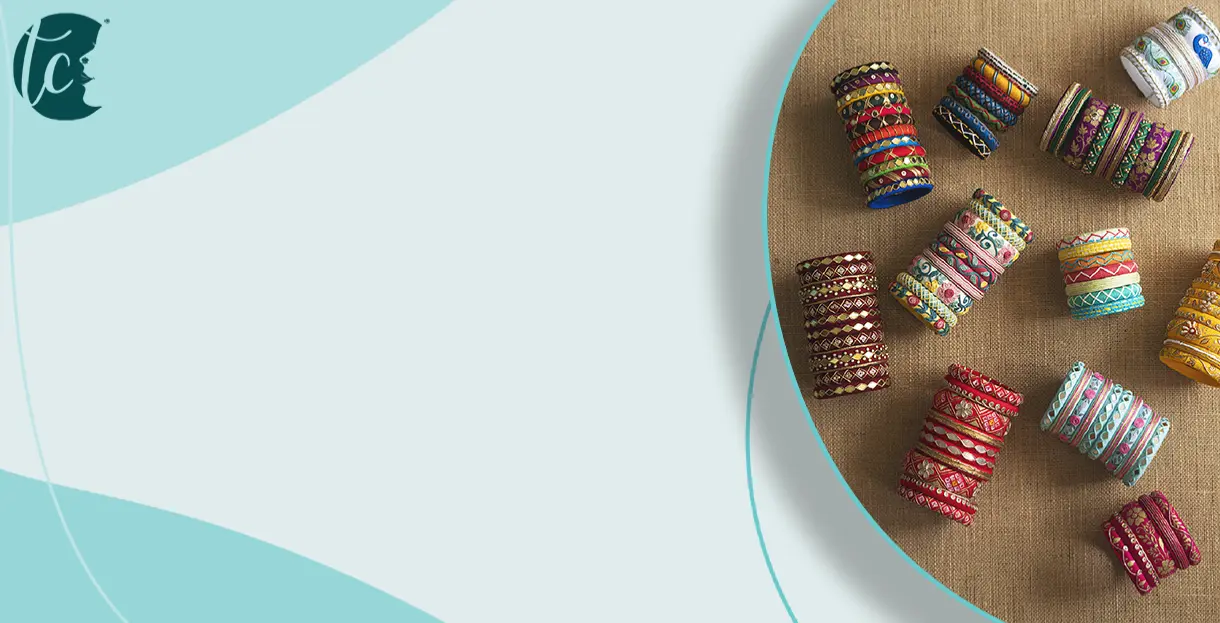
This guide explains the essential steps involved in draping a silk saree, explores different silk saree draping styles, and shows how handcrafted bangles can be stacked to complement different silk saree colours and designs.
Silk Saree and Bangle Combinations at a Glance
If you’re still deciding which bangles to wear, use the following combinations as a quick styling guide.
| Silk Saree Style | Recommended Bangle | Styling Character |
| Kanjeevaram Silk Saree | Inara | Traditional and rich |
| Banarasi Silk Saree | Amodini | Festive and elaborate |
| Red & White Silk Saree | Anokhi | Artistic and vibrant |
| Pink Silk Saree | Bhavya | Playful and youthful |
| Brown & Lilac Silk Saree | Rahi | Elegant and refined |
These combinations aren’t strict rules. You can experiment with colours based on your blouse, jewellery, and personal style. The most important thing is to create a visual connection between the saree and accessories.
Kanjeevaram Silk Saree with Inara Bangle
A Kanjeevaram silk saree is known for its rich silk texture, traditional motifs, and striking zari borders. When learning how to drape a silk saree for a wedding or festive occasion, the classic Nivi drape is a reliable choice because it keeps the pleats neat while allowing the saree’s border and pallu to remain visible.
For a traditional Kanjeevaram featuring gold zari or warm-toned details, Inara Bangle makes a natural accessory pairing.

Inara combines six different patterns of handwork in yellow and red shades, finished with golden embroidery and thread work. These details complement silk sarees that feature golden outlines, zari borders, or traditional warm colours.
The Right Bangle Stack
For a formal wedding or festive event, stack Inara with a few simple gold-toned bangles if desired. Keep the handcrafted bangles visible rather than hiding them under a very large stack. For a younger or more contemporary look, wear fewer bangles on each wrist and allow the red and yellow handwork to stand out.
Best occasion: Weddings, traditional ceremonies, festivals, and family celebrations.
Banarasi Silk Saree with Amodini Bangle
A Banarasi silk saree is another classic choice for festive and wedding wardrobes. Its luxurious fabric and intricate woven patterns create an inherently elegant appearance.
When exploring different silk saree draping styles, a neatly pleated Nivi drape works particularly well with a Banarasi saree because it allows the woven border and pallu to remain visible.

For a richly decorated Banarasi silk saree, Amodini Bangle can add another layer of handcrafted detail.
Amodini is a vibrant fabric bangle set featuring mirror work, rich textures, and 12 unique handwork styles in beautiful colours. Its elaborate craftsmanship makes it particularly suitable for bridal looks and festive occasions.
Create a Festive Bangle Stack
For a wedding or festive celebration, you can combine Amodini with a few slim complementary bangles. Try to coordinate the stack with the dominant colour of your Banarasi saree rather than matching every shade individually.
For example, a deep pink or red Banarasi saree can be paired with vibrant handcrafted bangles and gold-toned jewellery, while a blue or green saree can work beautifully with bangles containing contrasting festive colours.
Best occasion: Weddings, receptions, Diwali celebrations, family functions, and festive gatherings.
Red and White Silk Saree with Anokhi Bangle
Red and white create a classic colour combination that works beautifully with traditional Indian clothing. Whether your saree is a red silk with white details or a white silk saree with a bold red border, the contrast can create a striking appearance.

Anokhi Bangle adds an artistic touch to this combination. The bangles feature hand-painted red and white designs, with bold colours and delicate brushwork that give the accessory an individual handcrafted character. This pairing is ideal for women who want their silk saree look to feel traditional while still having a distinctive artistic element.
Keep the Jewellery Elegant
Because Anokhi has bold hand-painted details, you can keep the rest of your accessories relatively simple. Gold-toned earrings can complement a traditional silk saree, while oxidised silver jewellery can give the outfit a slightly more contemporary appearance. For a formal event, a neatly arranged bun with flowers can reinforce the traditional character of the look.
A Younger Styling Option
College girls and young women can make the combination more contemporary by choosing a simpler blouse, statement earrings, and a smaller bangle stack. This keeps the silk saree traditional while making the overall outfit feel lighter and more youthful.
Best occasion: Festive celebrations, traditional functions, cultural events, and family occasions.
Pink Silk Saree with Bhavya Bangle
Pink silk sarees offer a softer and more playful alternative to traditional deep red or maroon sarees. Depending on the shade, pink can create anything from a delicate festive look to a bold wedding ensemble.

Bhavya Bangle complements this style with a bright pink base, handcrafted thread work, and playful elephant motifs. The design adds colour and personality while maintaining a connection to traditional Indian craftsmanship.
Everyday and Festive Versatility
Bhavya isn’t limited to formal silk saree styling. Its cotton base and playful handcrafted detailing can also work with simpler ethnic outfits. This makes it a useful accessory for women who want bangles they can wear beyond a single occasion.
Best occasion: Festive gatherings, family celebrations, cultural events, and semi-formal occasions.
Brown and Lilac Silk Saree with Rahi Bangle
Brown and lilac create an elegant combination for women who prefer understated colours rather than extremely bright festive shades. A brown silk saree with lilac accents, or a lilac saree featuring deeper earthy details, can create a sophisticated traditional look.

Rahi Bangle complements this colour story with brown and light lilac shades combined with intricate Kundan detailing. The result is a refined pairing that works particularly well when you want the silk saree itself to remain the main focus.
Create a Sophisticated Bangle Stack
For a daytime event, wear a smaller Rahi stack with a few delicate complementary bangles. For an evening function, you can increase the number of bangles while maintaining the brown-and-lilac colour palette. The goal is to create visual harmony between the silk saree, blouse, jewellery, and bangles.
Hair and Makeup
A low bun, soft curls, or a traditional braid can work well with this combination. For makeup, neutral or rosy tones can complement the softer colour palette without competing with the saree.
Best occasion: Daytime celebrations, festive gatherings, family functions, and elegant traditional events.
Personalize Your Silk Saree Look with Customized Bangles
A silk saree can have a very specific colour combination, border, blouse design, or traditional motif. Sometimes, finding ready-made bangles that match every detail can be difficult. This is where customised bangles can help.
Instead of choosing a bangle set based only on the colours available, you can look for a combination that complements the details of your saree. You can consider the saree’s border, blouse colour, embroidery, zari, and the overall occasion when creating your accessory combination.
For example, a traditional silk saree with a gold border may benefit from warm golden and red tones, while a pastel silk saree may work better with softer colours.
When Should You Consider Customised Bangles?
Customised bangles can be especially useful when:
- Your saree has an unusual colour combination
- You want to coordinate bangles with your blouse
- You prefer a particular handcrafted style
- You are preparing a bridal or festive outfit
- You want a personalised accessory
- You want to create a specific bangle stack
A customised set can also be useful when you already know exactly how you want your final saree look to appear.
How to Choose the Right Bangle Stack for Your Silk Saree
The best bangle stack doesn’t necessarily contain the most bangles. It should complement the saree while allowing each design to remain visible.
Start by identifying the dominant elements of your silk saree.
Match the Saree’s Main Colour
If the saree is predominantly pink, Bhavya can reinforce the colour. If it has brown and lilac tones, Rahi can create a coordinated appearance.
Pick Up the Border
For a saree with a strong gold border, Inara’s golden embroidery and warm colours can complement the zari beautifully.
Consider the Occasion
For weddings and bridal events, a richer stack such as Amodini can work well. For a smaller family gathering, Anokhi or Bhavya can provide enough detail without making the look too heavy.
Balance Your Jewellery
If you’re wearing large earrings and a statement necklace, consider a more controlled bangle stack. If your jewellery is minimal, handcrafted bangles can become the main accessory.
Don’t Forget Comfort
Silk sarees are often worn for several hours during weddings and celebrations. Your bangle stack should be comfortable enough for eating, greeting guests, taking photographs, and moving around. A beautiful accessory is most useful when you can enjoy wearing it.
How to Drape a Silk Saree: The Basic Nivi Style
The Nivi drape is one of the most used saree draping styles in India. It creates a clean front with evenly arranged pleats and a pallu that falls over the left shoulder. It works beautifully with many silk sarees and is particularly practical when you want a classic, elegant appearance.
Step 1: Tuck the Saree at the Waist
Start with the non-pallu end of the saree.
Tuck the upper edge securely into your petticoat or saree base at the waist, beginning around the right side.
Continue wrapping the saree around your waist from right to left.
Keep the lower edge approximately at ankle level, depending on your footwear and preferred length.
Make sure the saree is not twisted while you move around the waist.
Step 2: Complete One Full Wrap
Continue wrapping the saree around your body until you return to the front.
The saree should sit securely around your waist while still allowing comfortable movement.
At this stage, don’t make the front pleats yet. First, ensure the overall length and waist position are correct.
This is where your footwear becomes important. Check that the saree is neither dragging on the floor nor sitting too high above your ankles.
Step 3: Create the Front Pleats
Gather the remaining saree fabric at the front.
Make several vertical pleats of approximately equal width.
For a traditional silk saree, neat pleats are particularly important because the rich fabric and contrasting border can make uneven folds more noticeable.
Keep the pleats aligned and make sure the borders sit evenly.
Once you’re happy with them, hold the pleats together and tuck them securely into the waist.
Step 4: Adjust the Pleats
Stand straight and check the front of the saree.
The pleats should fall naturally without spreading too widely.
If one pleat is significantly wider than another, adjust it before securing the saree permanently.
For a formal occasion, you can use a small safety pin inside the pleats to help keep them together.
The goal is not to make every fold rigid. The pleats should remain comfortable enough for walking and sitting.
Step 5: Bring the Pallu Around
Take the remaining section of the saree and bring it around your body toward the left shoulder.
The decorated pallu should face outward.
Arrange the pallu so that the border is visible and the fabric falls neatly from the shoulder.
Depending on the saree and your preferred look, you can keep the pallu open or create neat vertical pleats.
Step 6: Pleat and Secure the Pallu
For a more polished traditional appearance, fold the pallu into several neat pleats.
Keep the border aligned while folding.
Place the pleated pallu over your left shoulder and secure it with a safety pin to your blouse.
The pallu length can be adjusted according to your preference. For formal occasions, a neatly arranged pallu often creates a more structured appearance.
Why Bangles Matter in a Silk Saree Look
Once the saree is draped, accessories provide the finishing details. Bangles are especially effective with silk sarees because their colours, textures, and movement can complement the richness of the fabric. A silk saree with a golden border may look beautiful with warm-toned handcrafted bangles. A vibrant saree can be paired with multicoloured bangles, while a more understated silk saree may benefit from a contrasting bangle stack. The key is to coordinate the bangles with the saree’s colour, border, blouse, and overall occasion. In the next section, we’ll look at five specific silk saree and handcrafted bangle combinations, including Kanjeevaram Silk Saree with Inara Bangle and Banarasi Silk Saree with Amodini Bangle.
Frequently Asked Questions About How to Drape a Silk Saree
Start by wearing your blouse, petticoat, and footwear. Tuck the saree around your waist, complete one full wrap, create neat front pleats, tuck them securely, and bring the remaining fabric around to the left shoulder as the pallu. Arrange and secure the pallu according to your preferred style.
The classic Nivi style is a practical starting point for beginners. It has straightforward front pleats and a pallu that falls over the left shoulder, making it relatively easy to learn and suitable for many silk sarees.
The best bangles depend on the saree’s colour and design. Inara works well with traditional gold-bordered sarees, Amodini suits rich festive silk sarees, Anokhi complements red-and-white combinations, Bhavya works with pink silk sarees, and Rahi complements brown and lilac tones.
Yes. Handcrafted bangles can add colour and texture to a Kanjeevaram silk saree. Designs featuring golden embroidery, threadwork, or complementary colours can work particularly well with traditional zari borders.
For a wedding, consider a neat and structured drape, traditional jewellery, a carefully selected bangle stack, an elegant hairstyle, and comfortable footwear. Richer handcrafted bangles can complement elaborate silk sarees.
Look at the saree’s dominant colour, border, blouse, and motifs. You can either match one of these colours or choose a complementary shade to create contrast. Avoid trying to match every colour in a multicoloured saree.
Yes. Customised bangles can be a useful option when you want a specific colour combination or design that coordinates with your saree and blouse.